Indoor Cat Enrichment: DIY Toys, Play & Home Setup
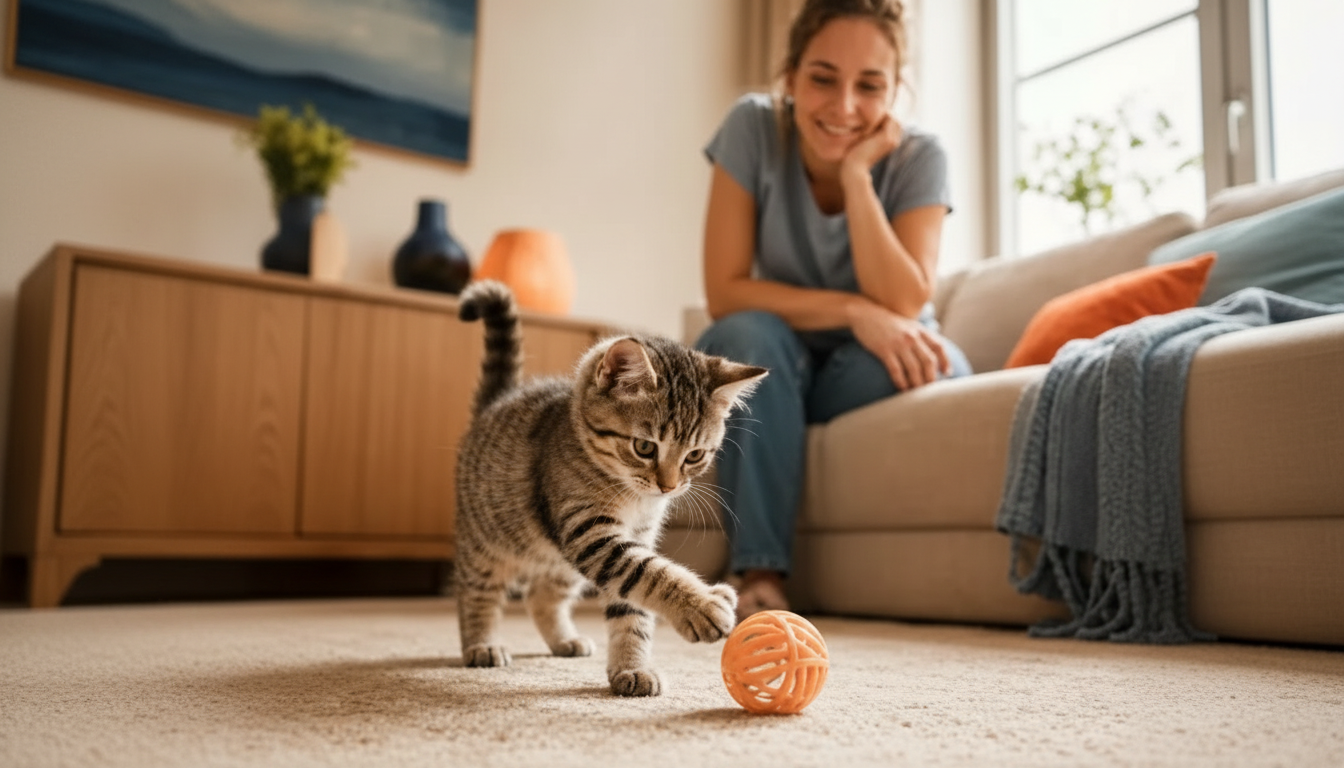
Enrichment Ideas for Indoor Cats: DIY Toys, Play Routines, and a Cat-Friendly Home
Indoor cats do best when their day includes “hunt-style” play, climbing and scratching outlets, puzzle feeding, and cozy recovery time. A little structure goes a long way—especially in small spaces or busy households—because it gives your cat safe ways to burn energy and use natural instincts. The payoff is often fewer boredom-related behaviors like excessive meowing, overgrooming, or midnight zoomies. For more guidance, see bing.txt.
For deeper background on what cats need from their environment, two excellent references are the American Association of Feline Practitioners (AAFP) Feline Environmental Needs Guidelines and the ASPCA guide to environmental enrichment for cats. For further reading, see than born became states including american.
What “enrichment” means for indoor cats
Enrichment is anything that helps an indoor cat express normal, healthy behaviors without getting into trouble. Think of it as creating daily “jobs” that feel natural and satisfying.
- Aim to meet natural needs: stalking, chasing, pouncing, climbing, scratching, chewing, and resting in safe lookout spots.
- Use variety: rotate toys and activities so the same items feel “new” again.
- Watch preferences: some cats love aerial wand play, others prefer ground skitters, tunnels, or puzzle feeders.
Quick-start play routines that fit real life
Consistency beats intensity. A few short sessions can feel more “cat-realistic” than a single long workout, because cats naturally hunt in short bursts.
- Schedule 2–3 short sessions daily (5–10 minutes each) rather than one long session.
- Use the “hunt-catch-eat” pattern: play with a wand or chase toy, allow a successful catch, then offer a small snack or meal.
- End high-energy play 30–60 minutes before bedtime to reduce late-night bursts.
- For multi-cat homes: play separately when needed to avoid resource guarding or one cat dominating the game.
- Adjust intensity: kittens may need more frequent bursts; seniors and cats with arthritis usually do better with gentle ground play and fewer high jumps.
Simple weekly enrichment rotation (mix-and-match)
| Day | 5–10 Minute Play | Food Enrichment | Home Activity |
|---|---|---|---|
| Mon | Wand toy: slow stalk → fast sprint | Scatter a few kibble pieces in a snuffle mat | Open a window perch for bird-watching |
| Tue | Ball or “mouse” toy rolled down a hallway | Puzzle feeder (easy setting) | Cardboard box fort with 2 entrances |
| Wed | Laser play (finish with a catch toy) | Treats hidden in paper cups | New scratcher location (near nap spot) |
| Thu | Feather teaser with jumps kept low | Lick mat with a small portion of wet food | Catnip/silvervine “scent station” |
| Fri | “Chase the ribbon” on the floor | Food inside a DIY bottle roller | Rotate 3 toys back into the toy basket |
| Sat | Fetch practice with soft pom-poms | Breakfast in a puzzle bowl | 30 minutes of supervised balcony/catio time (if safe) |
| Sun | Hide-and-seek wand play around furniture | Tiny “hunt trail” of treats to a reward | Grooming + calm cuddle time to reset |
DIY enrichment toys from household items
DIY cat enrichment doesn’t need to be fancy—it just needs to be engaging, safe, and easy to swap out. Try one new item at a time so you can see what your cat actually enjoys.
- Toilet paper roll treat tube: fold one end, add a few treats, fold the other end; poke small holes to adjust difficulty.
- Cardboard “foraging box”: fill a shallow box with crumpled paper and sprinkle kibble or treats throughout.
- Sock “kicker” toy: stuff with fabric scraps; add catnip if your cat responds well; tie off securely (discard if torn).
- Bottle roller puzzle: place a few treats in a clean plastic bottle, cut 1–2 treat-sized holes, remove cap and ring, supervise use.
- Paper bag tunnel: remove handles, place on its side, and add tissue paper for rustle (supervise and replace when ripped).
How do you make enrichment toys for cats? (a safe approach)
Safety is the difference between a fun DIY and an emergency vet visit. Keep it simple, supervise early, and retire items before they fall apart.
- Start simple and supervised: choose one DIY item and observe how your cat mouths, claws, and carries it.
- Avoid hazards: no string, ribbon, hair ties, or small parts that can be swallowed; skip staples and toxic glues.
- Right-size openings: holes should dispense treats without trapping paws or heads.
- Retire worn toys: discard items with loose threads, torn plastic, exposed stuffing, or broken pieces.
Cat-friendly home upgrades that change behavior fast
If your cat is bored, the home setup can either make that worse—or instantly make life more interesting. A few targeted changes can reduce attention-seeking behaviors and help cats feel secure.
Food-based enrichment without overfeeding
Make it easy: print-and-post routines for consistency
If a ready-to-use plan would help, the Printable Cat Enrichment Guide (DIY toys, play routines, and home tips) pulls routines, DIY ideas, and home setup tips into an easy format you can reuse week after week.
And since calmer cats often come from calmer routines, many pet parents also like having a simple self-care structure for themselves; Whole You: Holistic Wellness Guide can pair nicely with a household “reset” plan while you build consistent pet routines.
FAQ
How do you make enrichment toys for cats?
Try a toilet paper roll treat tube, a cardboard foraging box with crumpled paper, a sock kicker toy (tied securely), or a supervised bottle roller with treat-sized holes. Always supervise new DIY items, avoid strings/small swallowable parts, and discard toys once they’re torn or shedding pieces.











Leave a comment